The Butterfly Effect, Ga West Municipality
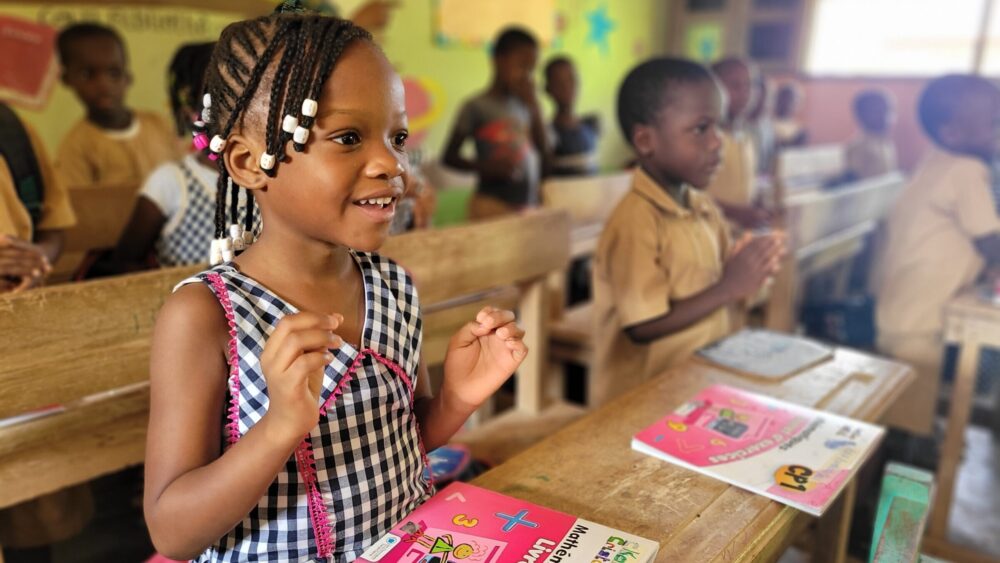
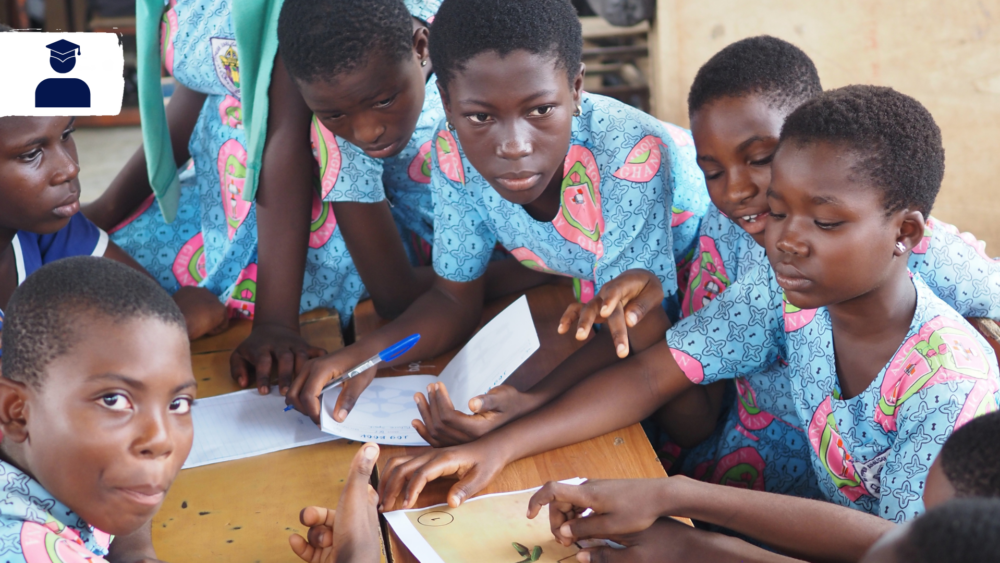
Das Projekt befähigt Schüler:innen in Ghana, aktiv gegen den Verlust von Bienen, Schmetterlingen und anderen Bestäubern vorzugehen und ihre Schulumgebung durch urbane Gärten und Renovierungen zu verbessern. Gleichzeitig vermittelt es praxisnahes Wissen zu Klima, Biodiversität und grüner Unternehmertätigkeit, sodass die Jugendlichen selbst Lösungen für Umwelt- und Gemeinschaftsprobleme entwickeln können.
Das Projekt
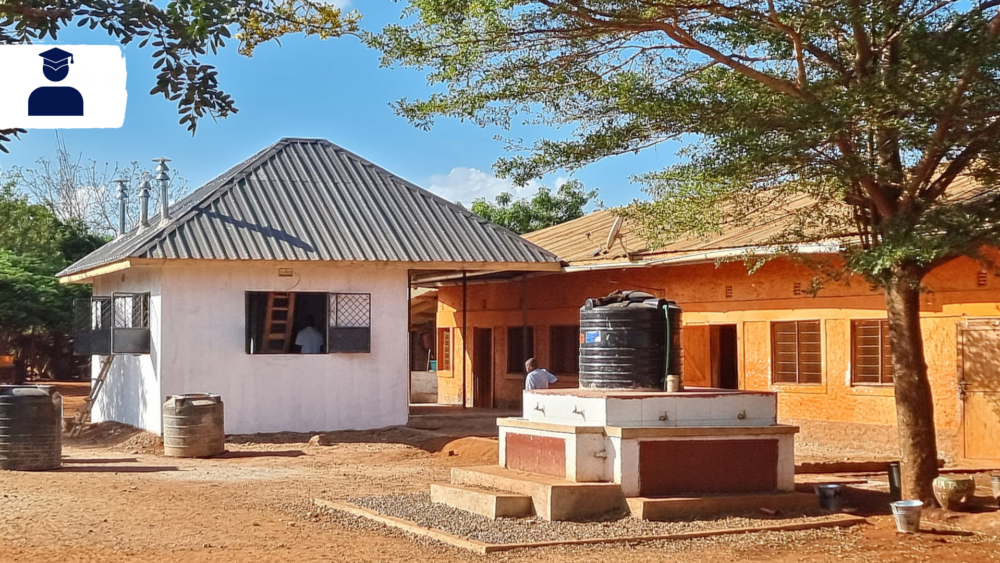
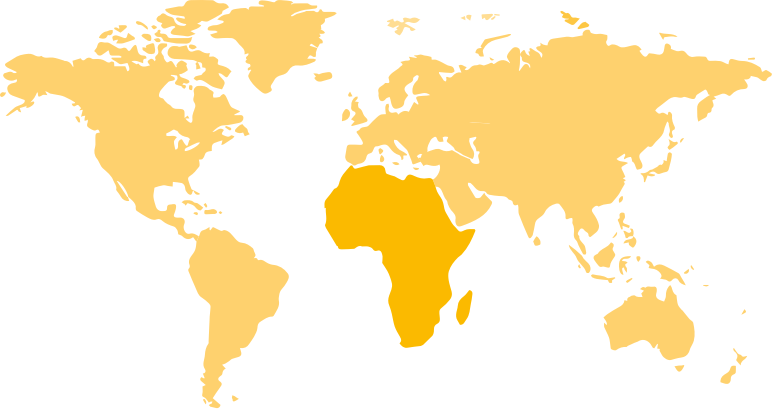
In Ghanas am stärksten von Klimarisiken betroffenen Städten verschwinden Bienen, Schmetterlinge und andere wichtige Bestäuber, gleichzeitig kämpfen viele Schulen mit kaputten Dächern, überfüllten Klassenräumen und fehlender Ausstattung. Das Projekt „The Butterfly Effect“ verbindet Umweltschutz mit sozialer Erneuerung: Jugendliche zwischen 11 und 16 Jahren lernen, wie sie aktiv etwas gegen den Verlust der städtischen Biodiversität tun können und gleichzeitig ihre Schule lebenswerter gestalten.
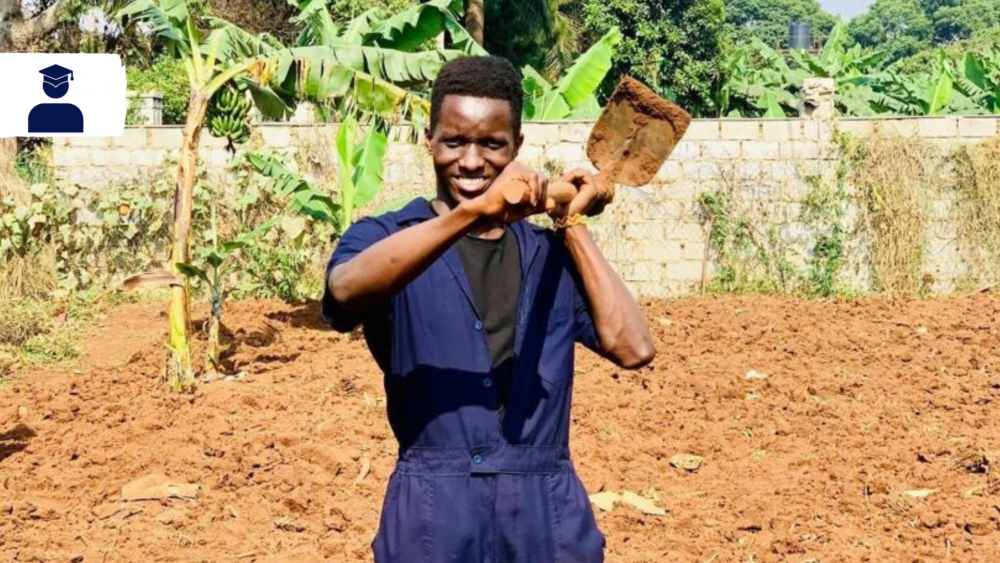
In einem Pilotprojekt an der St. Cyprian’s Anglican School haben über 120 Schüler:innen Beete für Gemüse und Blumen angelegt, Vogelfutterstellen installiert und die Schule mit neuen Farben und reparierten Dächern belebt. Interaktive Unterrichtseinheiten, Brettspiele und Peer-Learning vermitteln Wissen über Klima, städtische Hitzeeffekte und die Rolle von Bestäubern. Lehrkräfte werden im projektbasierten Lernen geschult, damit sie die Schüler:innen besser anleiten können, eigene Ideen zu entwickeln und umzusetzen.
Ziel ist, bis 2028 rund 3.000 Schüler:innen in drei Schulen zu erreichen, urbane Gärten als Lebensraum für Bestäuber zu schaffen und junge Menschen für grüne Unternehmertätigkeit zu befähigen. So lernen sie, selbst Lösungen für Klima- und Umweltprobleme zu entwickeln, während ihre Schule zu einem gesünderen und attraktiveren Lernort wird.
Das Projekt zeigt, wie kleine, strategische Schritte von Jugendlichen eine große Wirkung entfalten – für Umwelt, Gemeinschaft und die eigene Zukunft.